

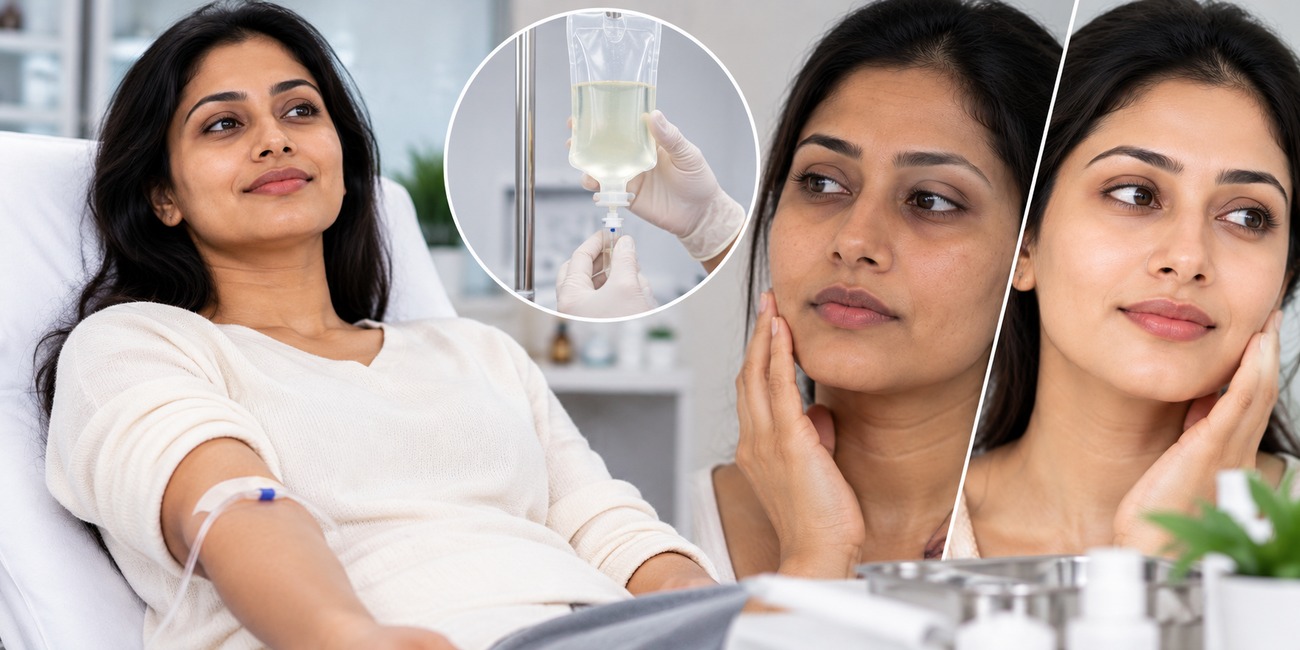
IV Glutathione for Skin Brightening: Does It Actually Work?
Glutathione has become a popular name in aesthetic skincare, especially among people looking for brighter, more even-looking skin. IV glutathione is often promoted as a quick skin brightening treatment, with claims of reducing pigmentation and making the complexion appear lighter. But does it really work, and is it safe? The answer is more complicated than advertisements may suggest. Glutathione is naturally produced by the body and has antioxidant properties, but the scientific evidence for intravenous use specifically for skin lightening remains limited. Recent research also highlights concerns about the safety of repeated IV administration. If you are considering IV glutathione for skin whitening, it is important to understand its potential benefits, limitations, and risks before making a decision.
What Is Glutathione?
Glutathione is an antioxidant naturally found in the body. It helps protect cells from oxidative stress and participates in several important biological processes. Its possible effect on pigmentation has attracted interest in cosmetic dermatology.
Glutathione may influence melanin production through pathways involving the tyrosinase enzyme and changes in the type of melanin produced. However, having a biological effect does not automatically mean that an IV treatment will safely or consistently produce noticeable skin lightening.
Does IV Glutathione Actually Brighten Skin?
This is where expectations need to be realistic. Research on glutathione for skin lightening has produced mixed results, and evidence specifically supporting IV administration is particularly limited.
A 2025 systematic review found only one placebo-controlled study of IV glutathione and concluded that the evidence was insufficient to establish its effectiveness for skin lightening. The review also raised safety concerns regarding IV glutathione.
Therefore, IV glutathione should not be considered a guaranteed method for changing natural skin colour. Results, when reported, can vary considerably between individuals and may not be permanent.
Potential Glutathione Injection Benefits
Glutathione is widely recognised for its antioxidant activity, which is one reason it has attracted attention in aesthetic medicine. Some studies involving oral and topical glutathione have reported improvements in measures of pigmentation, although the overall evidence remains inconclusive.
Potentially discussed benefits include:
- Supporting antioxidant activity in the body
- Helping address oxidative stress
- Potential improvement in the appearance of uneven pigmentation
- A possible brighter or more even-looking complexion in some individuals
These potential effects should not be confused with proven, long-term skin whitening. A qualified dermatologist can help determine whether glutathione is appropriate for an individual’s specific skin concerns.
Glutathione Drip Side Effects: What Should You Know?
IV treatment involves inserting a needle and delivering a substance directly into the bloodstream. This makes product quality, sterile preparation, dosage, and medical supervision particularly important.
Possible adverse effects associated with IV glutathione can include nausea, dizziness, abdominal discomfort, allergic reactions and other infusion-related problems. More serious complications can occur with contaminated or improperly prepared injectable products.
In August 2026, the U.S. FDA warned compounders not to use dietary-supplement-grade glutathione for injectable drugs after reports of adverse events linked to compounded IV glutathione, including fever, chills, dizziness, hypotension and sepsis-like symptoms.
This does not mean every medically administered glutathione treatment will cause these problems, but it highlights why injectable treatments should only be considered after proper medical assessment and with appropriate pharmaceutical-quality products.
Is IV Glutathione Suitable for Regular Use?
There is currently no well-established evidence-based schedule that can guarantee safe and effective long-term IV glutathione use for cosmetic skin lightening. Earlier research also noted the lack of long-term safety data for chronic IV administration.
Rather than following a fixed number of drips advertised online, patients should have their skin concerns assessed individually. Pigmentation can have many causes, including sun exposure, melasma, acne marks and hormonal factors. Treating the underlying cause is often more useful than simply pursuing overall skin lightening.
Choosing a Skin Brightening Treatment in Delhi
If you are considering a glutathione skin whitening Delhi treatment, consult a qualified dermatologist before starting IV therapy. A professional assessment can identify the cause of pigmentation and help determine whether safer, evidence-based options may be more appropriate.
Depending on the concern, treatment may involve prescription skincare, sun protection, chemical peels, topical treatments or other dermatologist-recommended procedures. The right approach depends on your skin type, pigmentation pattern and medical history.
Conclusion
So, does IV glutathione actually work for skin brightening? Current evidence does not provide strong enough support to call it a reliable or proven skin-whitening treatment. While glutathione has antioxidant and potential pigment-regulating properties, evidence for IV administration remains limited, and safety concerns deserve careful consideration.
At Sarin Wellness, skin concerns can be evaluated professionally so that treatment choices are based on individual needs rather than unrealistic promises. Speak with a qualified dermatologist before choosing any injectable skin brightening treatment.
Frequently Asked Questions
1. Does IV glutathione actually lighten skin?
Evidence for IV glutathione as a skin-lightening treatment is limited and inconclusive. Some studies suggest possible effects on pigmentation, but there is not enough high-quality evidence to guarantee noticeable or lasting skin lightening.
2. Is IV glutathione safe for regular use?
Long-term safety data for regular IV glutathione use for cosmetic skin lightening is inadequate. Injectable treatments should only be considered after medical evaluation and under appropriate professional supervision.
3. How many glutathione drips are needed to see results?
There is no scientifically established number of drips that guarantees skin-lightening results. The appropriate treatment plan, if considered at all, should depend on the individual’s skin concerns and medical assessment.
4. What are the side effects of glutathione injections?
Side effects may include nausea, dizziness, abdominal discomfort and allergic or infusion-related reactions. Poor-quality injectable products can carry more serious risks, which makes proper medical supervision and product quality essential.