

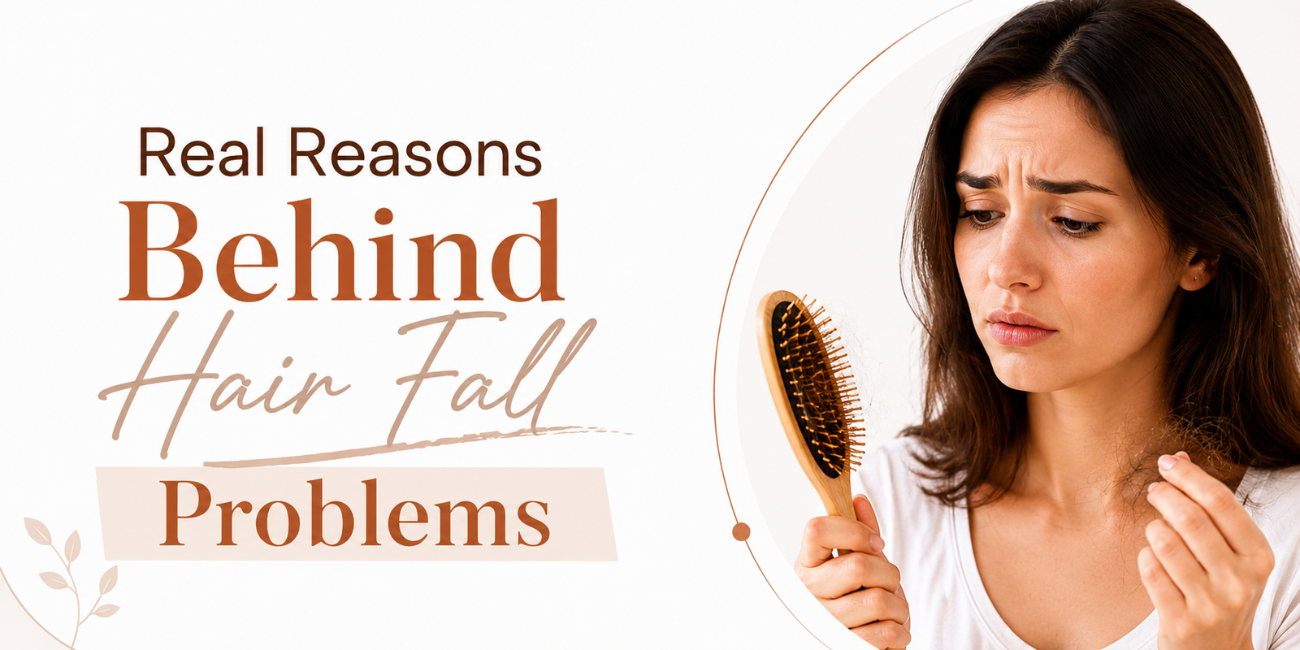
Real Reasons Behind Hair Fall Problems
Hair loss has become increasingly common among young adults and college students. While losing a small amount of hair every day is considered normal, excessive shedding may indicate an underlying issue that requires attention. Since hair health is influenced by multiple factors, identifying the exact cause of hair loss can sometimes be challenging.
Common Causes of Hair Loss
An unhealthy lifestyle is one of the leading contributors to hair fall. Many students and working professionals often skip meals, experience irregular sleep patterns, and face ongoing academic or professional stress. Over time, these habits can weaken hair follicles and negatively affect overall hair health.
Poor nutrition is another major factor associated with hair loss. Healthy hair growth depends on essential nutrients such as protein, iron, zinc, and vitamins. When the body does not receive adequate nutrition, hair may become weaker, thinner, and more prone to shedding.
Hormonal imbalances can also contribute to excessive hair fall. Conditions such as thyroid disorders, hormonal fluctuations, and certain medical issues may affect the hair growth cycle and increase shedding. In addition, genetics can play a significant role. Individuals with a family history of hair loss may be more likely to experience similar concerns.
The Impact of Stress on Hair Health
Stress has become a common part of modern life, particularly among students and young professionals. Prolonged physical or emotional stress can disrupt the normal hair growth cycle, causing hair follicles to enter a resting phase prematurely. As a result, noticeable hair shedding may occur several weeks or even months after a stressful period.
Many individuals searching for a hair fall solution often overlook the importance of stress management. Maintaining a healthy lifestyle through regular exercise, sufficient sleep, and relaxation practices can support overall well-being and may help improve hair health over time.
Everyday Habits That Affect Hair
Daily hair care practices can also influence the condition of the hair. Frequent use of heat styling tools, harsh hair products, and chemical treatments can weaken hair strands and increase the risk of breakage. Similarly, hairstyles that pull tightly on the scalp may place excessive tension on the hair roots and contribute to hair damage.
For those wondering how to stop hair fall, evaluating daily habits is an important first step. Following a balanced diet, staying properly hydrated, and reducing excessive styling can help support stronger and healthier hair in the long run.
Effective Ways to Manage Hair Fall
There is no single solution that works for everyone when it comes to managing hair loss. The most appropriate approach depends on the underlying cause. In some cases, improving nutrition, sleep quality, and lifestyle habits may help reduce hair fall. In others, professional medical evaluation may be necessary to identify and address health-related concerns.
Many people seek quick results; however, healthy hair growth is typically a gradual process that requires consistency and patience. Understanding the root cause of hair loss is often the most important step toward developing an effective management plan.
Conclusion
Hair loss can result from a combination of factors, including lifestyle habits, nutritional deficiencies, stress, hormonal changes, and genetic predisposition. Identifying the underlying cause is essential for choosing the most suitable approach to hair care and management.
By adopting healthier habits and addressing potential contributing factors early, individuals can take meaningful steps toward maintaining stronger and healthier hair. For those looking to learn more about hair wellness and related concerns, Sarin Wellness provides valuable educational insights to help individuals better understand the factors that influence overall hair health.
FAQs
What are the common causes of hair fall?
Hair fall can occur due to several factors, including nutritional deficiencies, stress, hormonal imbalances, genetics, poor sleep, certain medical conditions, and excessive use of chemical-based hair products or styling treatments. Identifying the exact cause is important for effective treatment and long-term hair health. At Sarin Wellness, our specialists provide personalized hair evaluations to identify the root cause and recommend suitable treatment solutions.
Does nutrition affect hair health?
Yes, nutrition plays a vital role in maintaining healthy hair. Hair follicles require essential nutrients such as protein, iron, zinc, biotin, vitamins, and minerals for proper growth and strength. A poor diet or nutritional deficiency can weaken hair, resulting in increased shedding and slower hair growth. Sarin Wellness offers expert guidance to help improve hair health through comprehensive diagnosis and customized treatment plans.
Can stress increase hair loss?
Yes, prolonged physical or emotional stress can disrupt the natural hair growth cycle, causing excessive hair shedding in many individuals. Stress-related hair loss is often temporary, but timely diagnosis and appropriate care can help restore healthy hair growth. At Sarin Wellness, we provide personalized hair care solutions to effectively manage stress-related hair loss and promote healthier hair.
When should hair fall be treated?
Hair fall should be evaluated if you notice excessive daily shedding, persistent hair loss for several weeks, visible thinning, bald patches, or scalp-related concerns such as itching or dandruff. Early diagnosis often leads to more effective treatment outcomes. Sarin Wellness provides comprehensive hair assessments and advanced treatment options to help restore healthy hair growth with personalized care.