

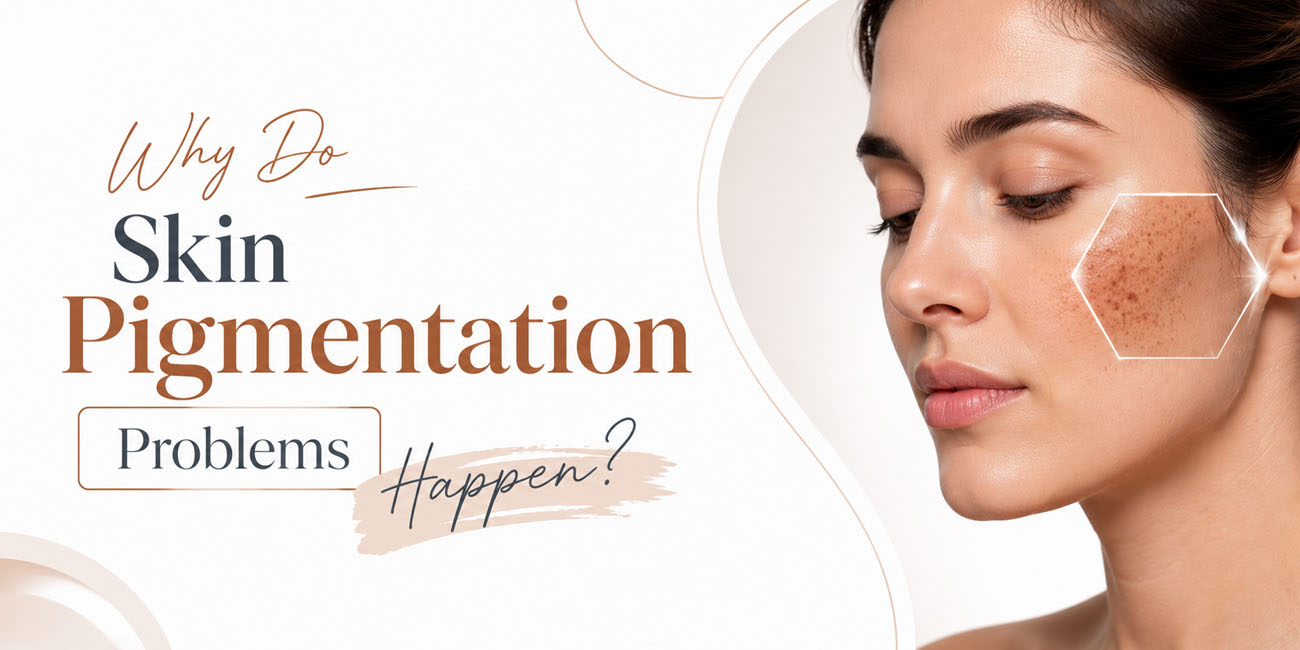
Why Do Skin Pigmentation Problems Happen?
Melanin is the natural pigment responsible for the colour of the skin, hair, and eyes. When the body produces too much or too little melanin in certain areas, skin pigmentation issues can develop. These changes may appear as dark patches, uneven skin tone, or lighter areas of skin. While pigmentation is usually harmless, many people seek treatment because it can affect their appearance and self-confidence.
Understanding Skin Pigmentation
Skin pigmentation refers to the natural colouring of the skin caused by melanin. Under normal conditions, melanin is distributed evenly throughout the skin. However, when melanin production becomes irregular, pigmentation issues can occur.
Pigmentation concerns may start as subtle changes in skin tone and gradually become more noticeable over time. Common types of pigmentation include melasma, post-inflammatory hyperpigmentation, freckles, and sun spots. Individuals with darker skin tones may experience more visible pigmentation changes because of their naturally higher melanin levels.
Causes of Skin Pigmentation Issues
Sun Exposure
Excessive exposure to ultraviolet (UV) rays is one of the leading causes of skin pigmentation problems. When the skin is exposed to sunlight, it produces more melanin as a protective response against UV damage. Over time, this increased melanin production can lead to dark spots, uneven skin tone, and other forms of pigmentation.
Hormonal Changes
Hormonal fluctuations can significantly influence melanin production. Conditions such as pregnancy, menopause, or the use of hormonal medications may trigger pigmentation issues, particularly melasma. These hormonal changes can cause dark patches to develop, especially on the face.
Skin Injury and Inflammation
Pigmentation can also occur after the skin heals from acne, cuts, burns, insect bites, or other inflammatory conditions. This condition is known as post-inflammatory hyperpigmentation and is one of the most common pigmentation concerns. The affected area may remain darker than the surrounding skin even after the original injury has healed.
Genetics
Genetic factors can play an important role in determining an individual’s susceptibility to pigmentation issues. A family history of freckles, melasma, or other pigmentation disorders may increase the likelihood of developing similar conditions.
Ageing
As people age, years of sun exposure and natural changes in the skin can contribute to the development of age spots and uneven pigmentation. These spots commonly appear on areas that receive frequent sun exposure, such as the face, hands, shoulders, and neck.
Preventing Skin Pigmentation
Although some causes of pigmentation cannot be completely avoided, certain habits can help reduce the risk of developing pigmentation issues. Applying sunscreen daily, limiting excessive sun exposure, following a consistent skincare routine, and treating skin inflammation promptly can help maintain a more even and healthy-looking complexion.
Conclusion
Skin pigmentation issues can result from a variety of factors, including sun exposure, hormonal changes, genetics, ageing, and skin injuries. Understanding these causes can help individuals make informed decisions about skincare and preventive measures. If you are concerned about pigmentation or looking for professional guidance to improve your skin health, Sarin Wellness offers expert advice, advanced treatments, and personalised care tailored to your specific needs.
FAQs
What are the common causes of skin pigmentation?
Skin pigmentation can develop due to prolonged sun exposure, hormonal changes, genetics, ageing, acne scars, skin injuries, or certain medical conditions that affect melanin production. Identifying the underlying cause is important for selecting the most suitable treatment. Sarin Wellness offers personalized pigmentation assessment and advanced treatment solutions for healthier, more even-toned skin.
Does sun exposure make pigmentation worse?
Yes, excessive exposure to ultraviolet (UV) rays can stimulate melanin production, causing existing pigmentation to become darker and increasing the likelihood of developing new dark spots or uneven skin tone. At Sarin Wellness, expert skin care guidance and advanced treatments help manage pigmentation while protecting your skin from further damage.
Can hormonal changes lead to skin pigmentation?
Yes, hormonal fluctuations during pregnancy, menopause, or due to certain medications can trigger pigmentation conditions such as melasma. These changes may cause dark patches on the face and other exposed areas. Sarin Wellness provides customized pigmentation treatments tailored to your skin condition and individual concerns.
What are the treatment options for skin pigmentation?
Treatment depends on the type, severity, and underlying cause of pigmentation. Dermatologists may recommend topical medications, chemical peels, laser treatments, medical facials, and proper sun protection to achieve the best results. Sarin Wellness offers comprehensive pigmentation treatments designed to restore clearer, brighter, and healthier-looking skin.