

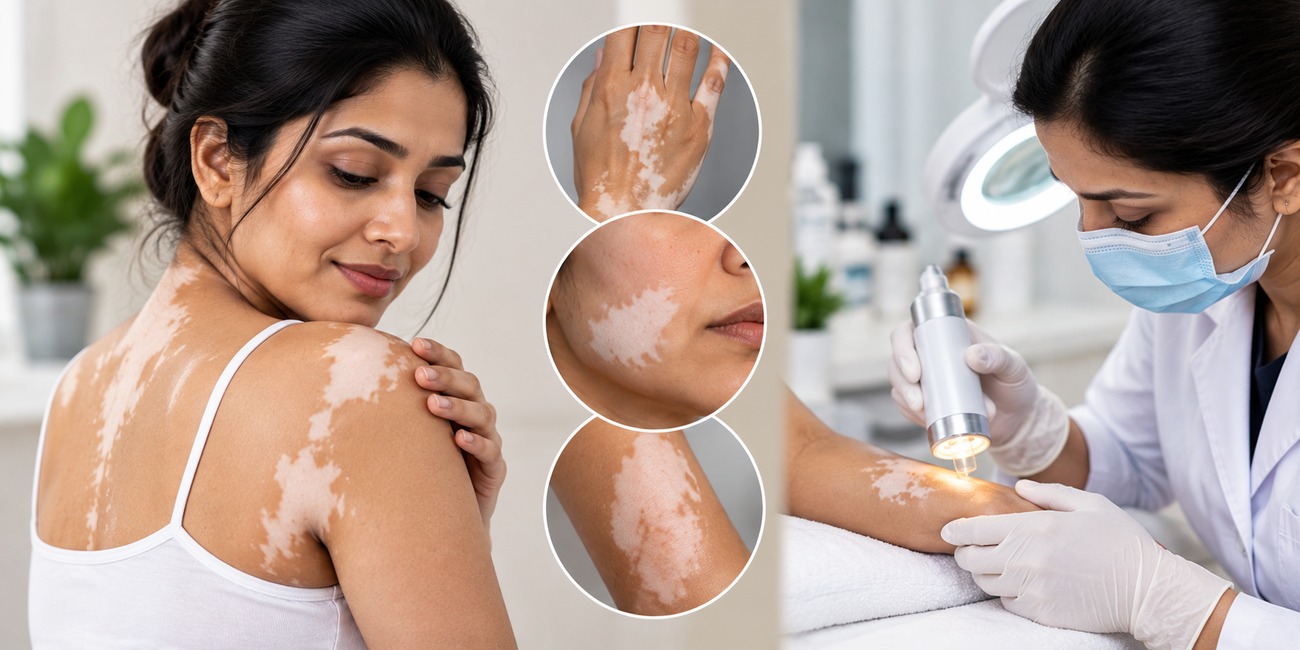
Vitiligo Treatment in 2026: What Actually Works
Vitiligo is a long-term skin condition in which the immune system attacks melanocytes, the cells responsible for producing skin pigment. This leads to lighter or completely white patches on different parts of the body. While vitiligo is not contagious, its visible nature can affect confidence and quality of life. The good news is that vitiligo treatment in 2026 offers several evidence-based options that can help control the condition and restore pigmentation in suitable patients. Modern treatment focuses on slowing progression and encouraging repigmentation rather than promising a permanent vitiligo cure.
Understanding Vitiligo Causes
The exact reason why vitiligo develops is not completely understood. However, it is primarily considered an autoimmune condition, where the immune system mistakenly attacks melanocytes.
Some factors associated with vitiligo include:
- Family history and genetic factors
- Other autoimmune conditions
- Thyroid disorders
- Physical skin injury or sunburn
- Emotional stress in some individuals
- Certain chemical exposures
Having one of these factors does not necessarily mean that a person will develop vitiligo. A dermatologist can assess the skin and medical history to determine the likely diagnosis and contributing factors.
What Actually Works for Vitiligo Treatment in 2026?
There is no single treatment that works equally well for everyone. The choice depends on the type of vitiligo, location of patches, extent of involvement, age and whether the condition is stable or actively spreading.
1. Topical Medications
Prescription creams and ointments may be recommended for localized vitiligo. Corticosteroids can help control inflammation, while medicines such as tacrolimus or pimecrolimus may support repigmentation, particularly around the face and neck.
Ruxolitinib cream, a topical JAK inhibitor, is another important development. It is approved in the US for non-segmental vitiligo in patients aged 12 years and older and has demonstrated meaningful repigmentation in clinical trials.
2. Phototherapy
Narrowband UVB phototherapy remains an important option when vitiligo affects larger areas or requires treatment beyond a small localized patch. Light therapy can stimulate repigmentation and is particularly useful for the face and neck.
Treatment usually requires multiple sessions and results develop gradually. Dermatologists may combine phototherapy with topical medication depending on the patient’s condition.
3. Surgical or Cell-Based Approaches
For selected patients with stable vitiligo that has not responded adequately to other treatments, dermatologists may consider surgical techniques or melanocyte-containing cell transplantation. These approaches are generally more suitable when the disease is stable rather than actively spreading.
4. Camouflage and Skin Protection
Camouflage makeup, skin dyes and self-tanners can temporarily make white patches less noticeable while medical treatment takes effect. Sun protection is also important because depigmented skin has less natural protection against UV exposure.
White Patches on Skin Treatment: Why Early Evaluation Matters
Not every white patch is vitiligo. Conditions such as fungal infections, post-inflammatory pigment changes and certain skin injuries can also cause lighter areas. A dermatologist may use a Wood’s lamp examination to distinguish vitiligo from other causes.
Early evaluation is particularly useful when patches are increasing, new areas are appearing or pigmentation is changing quickly. Starting appropriate treatment early may help control progression and improve the possibility of repigmentation.
Can Vitiligo Be Completely Cured?
Currently, there is no guaranteed permanent vitiligo cure. Available treatments can stop or slow progression and restore some lost pigmentation, but results vary from person to person. Repigmentation may also fade over time, meaning some patients require maintenance treatment.
For anyone looking for the best vitiligo treatment in Delhi, the right approach is therefore not simply choosing the newest treatment. A dermatologist should first establish the diagnosis and then create a treatment plan based on the individual’s condition.
Why Choose Sarin Wellness for Vitiligo Care?
At Sarin Wellness, vitiligo care can be approached with a personalised dermatological assessment rather than a one-treatment-fits-all approach. The focus is on understanding the pattern and progression of pigmentation loss and recommending suitable evidence-based options. If you notice new or changing white patches, consult a qualified dermatologist instead of relying on unproven home remedies or claims of a guaranteed cure.
Frequently Asked Questions
Can vitiligo be completely cured?
There is currently no guaranteed permanent cure for vitiligo. However, appropriate treatment can control progression and encourage repigmentation, with results varying between individuals.
What is the best treatment for vitiligo in early stages?
Treatment depends on the location, extent and activity of the disease. Topical medicines and phototherapy are commonly considered, while the dermatologist decides the most suitable approach after evaluation.
Is vitiligo linked to any other health conditions?
Yes. Vitiligo is associated with a higher likelihood of certain autoimmune conditions, particularly thyroid disease. Doctors may recommend appropriate evaluation based on symptoms and medical history.
Does stress make vitiligo worse?
Emotional stress may act as a trigger or aggravating factor for some people, although it is not considered the sole cause of vitiligo. Managing stress can be a useful part of overall wellbeing.
How long does vitiligo treatment take to show results?
Repigmentation is generally gradual. Some treatments require several weeks or months and may involve repeated sessions or ongoing maintenance.
Are home remedies enough to treat vitiligo?
Home remedies have not been established as reliable treatments for restoring pigmentation. A proper diagnosis and evidence-based dermatological treatment are more appropriate.